
Mesopotamia Oral History Project
Why does it matter if diverse languages, first-person history, and human experiences disappear with no trace?
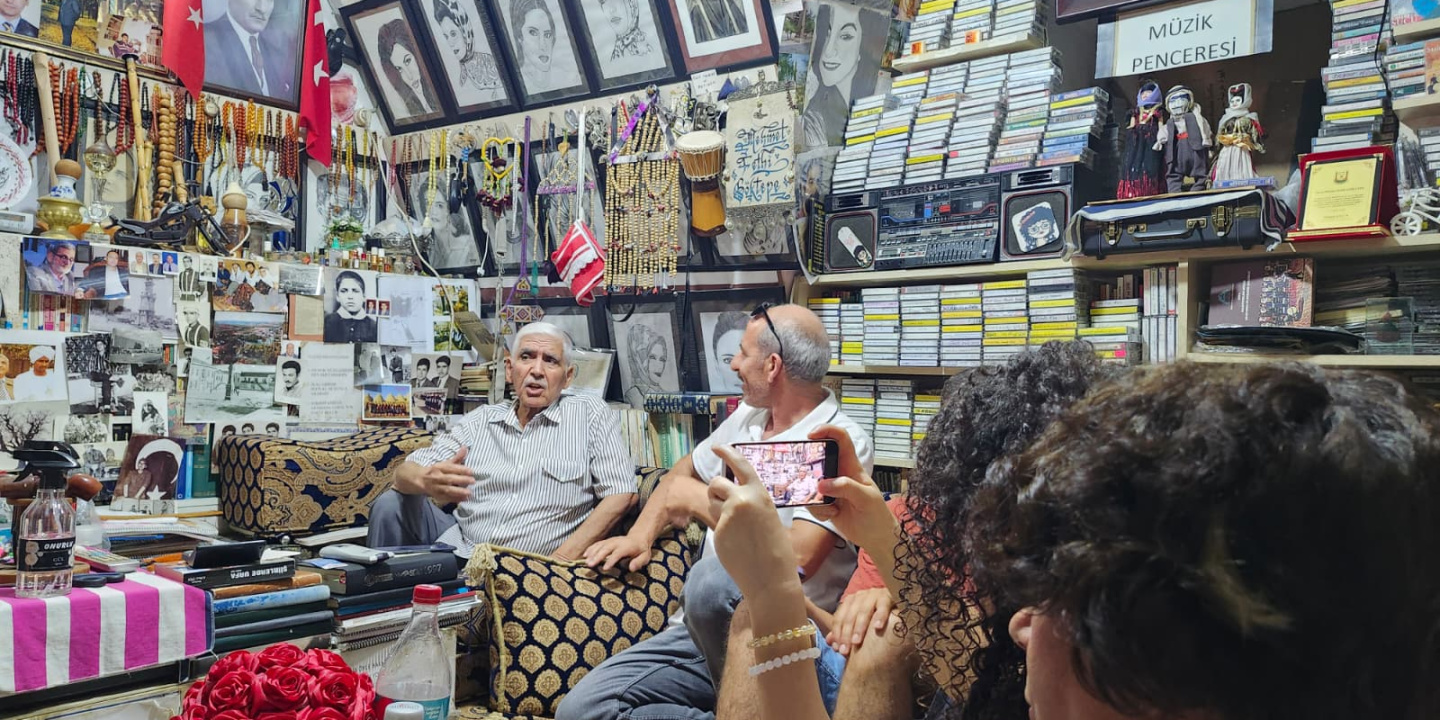
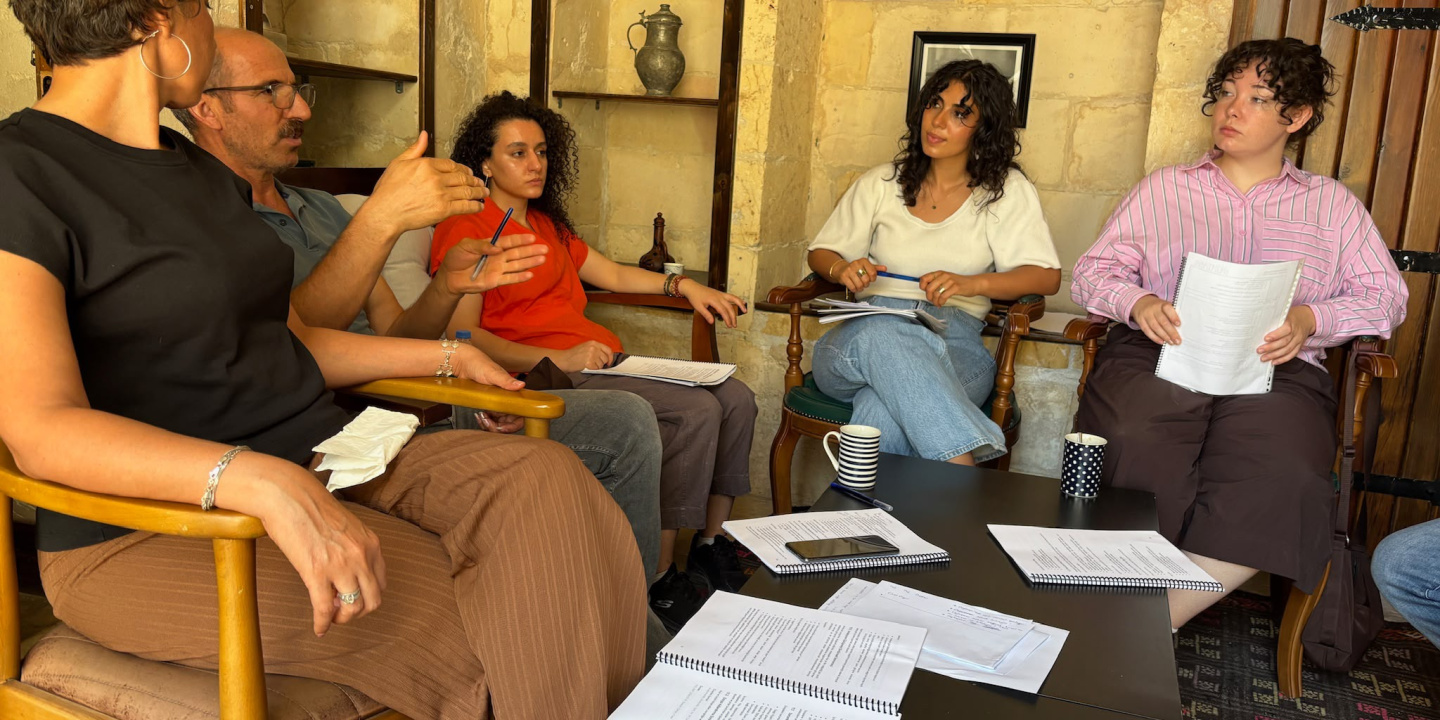
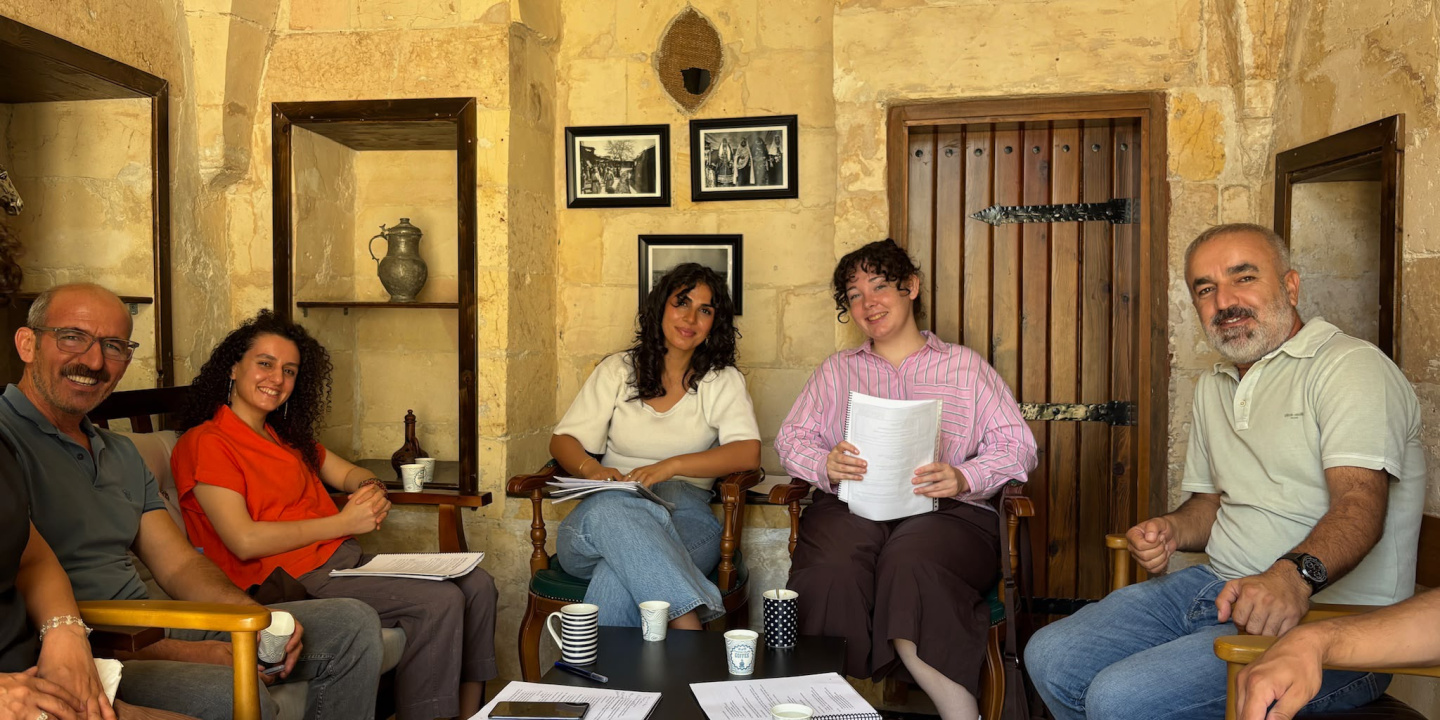
Across the lands that make up Mesopotamia, an irreplaceable archive is vanishing: languages, dialects, and the stories that carry generations of knowledge about weather, plants, farming, medicine, and folklore.
Conflict, climate change, and migration are accelerating the loss. We may have only a few years left to capture this knowledge from the last generation who lived it before the Information Age changed everything.
The Mesopotamia Oral History Project, led by Senior Fellow Dr. Hannah Stork, features a team of local storytellers recruited from communities along the Path. Fellows will walk the trails, working to build a first-person "library of disappearing things" in their own words and their own languages. Collection is now underway!
Project Overview
The project team will engage small communities along the Abraham Path and capture oral histories of the region in residents’ own words and languages, thus sharing local knowledge and storytelling with three interconnected audiences: walkers on the Abraham Path; researchers interested in the past, present, and future of the region and its people; and the general public, who will be inspired to explore the cultural heritage that grounds humanity’s shared origin in the region. Initially, unedited stories and language samples will be hosted on API’s website and made available to the public free of charge.
Selected stories will be translated into English and shared widely through API’s network via social media and other distribution methods currently in development. By locating these important stories along the Abraham Path, walkers and researchers alike will have the unique opportunity to see the physical and temporal interconnectivity that characterize Mesopotamia and its people.
After the completion of Phase One, Phase Two will connect through the Tur Abdin region to the border of Iraqi Kurdistan, and Phase Three will complete the project through the length of the Zagros Mountain Trail in Iraqi Kurdistan.
